
The convergence of traditional equity markets and decentralized ledger technology has reached a major milestone. In July, decentralized network activity around tokenized traditional assets accelerated dramatically, with public blockchain infrastructure proving its capacity to handle wall-street scale transaction volume.
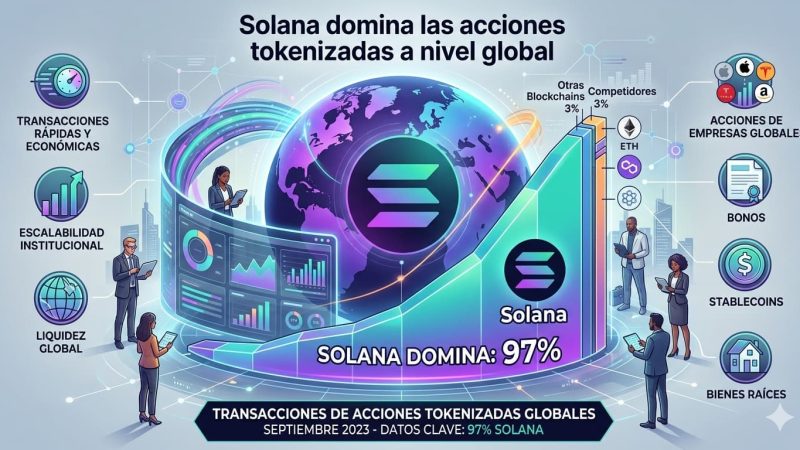
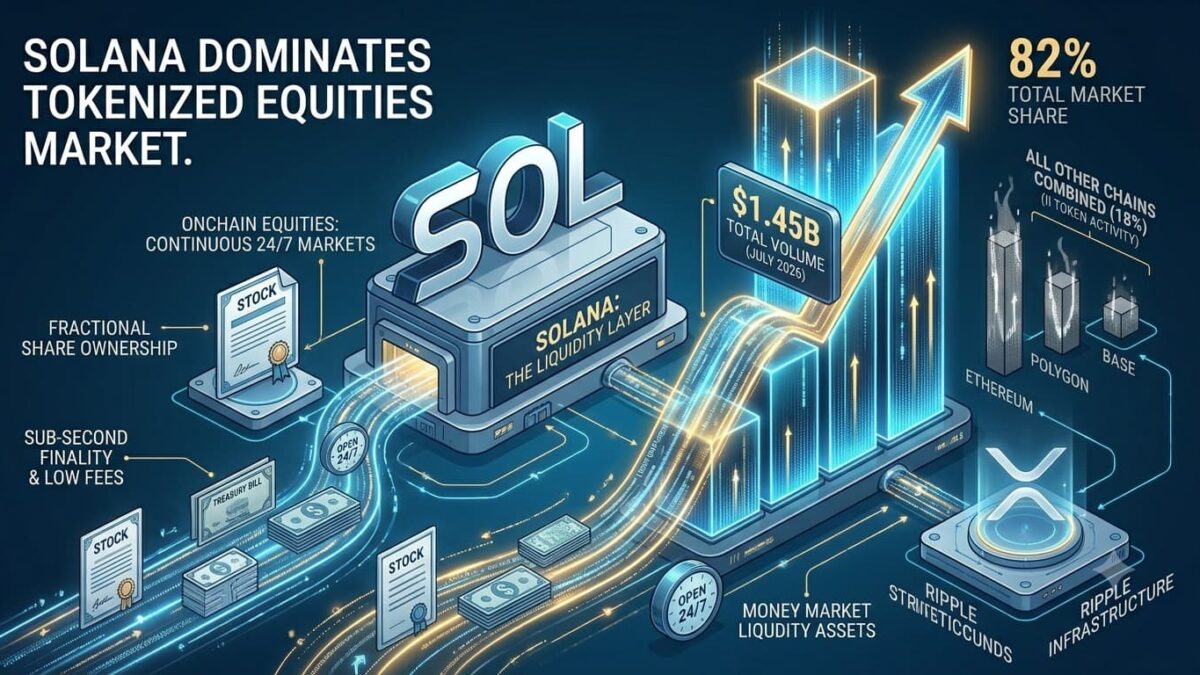
According to official data released by the Solana Foundation, the Solana blockchain processed approximately $1.45 billion in tokenized equities volume throughout July. This figure represents roughly 82% of all tokenized stock trading executed across all public blockchain networks combined during that period.
Why it matters
This story connects to Analysis, Solana and helps readers follow the wider crypto and market conversation with more context.
This overwhelming market share underscores a broader structural transformation: institutional capital and retail trading platforms are actively moving beyond pilot programs to establish high-frequency, onchain equity trading environments.
Related: Analysis
The Rise of Tokenized Equities on Public Blockchains
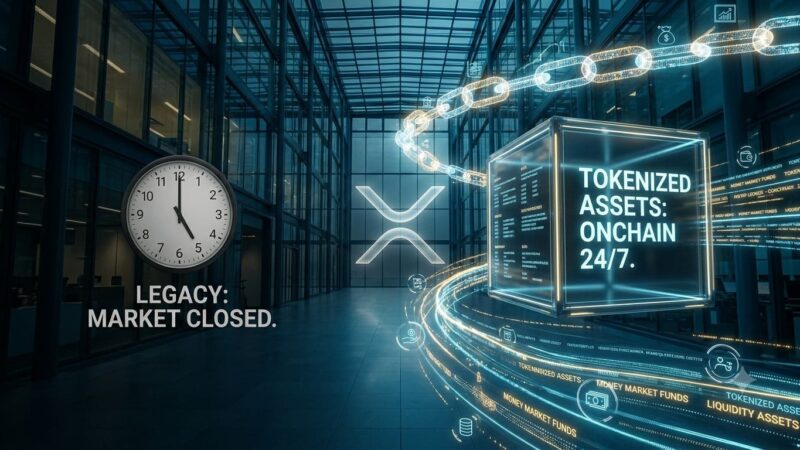
For decades, traditional equity trading has been bound to legacy market hours, centralized clearinghouses, and multi-day settlement cycles (such as T+1 or T+2). These legacy mechanisms create capital inefficiencies, as funds remain locked up in clearing accounts while investors wait for trades to settle.
Related: Institutional Capital Moves Onchain: How Ripple Is Driving the Tokenized Asset Revolution
The emergence of tokenized equities solves these friction points by representing traditional stocks, corporate bonds, and exchange-traded funds (ETFs) as digital tokens on high-speed public networks.
Traditional Equity Trading
– Fixed Trading Hours (9:30 AM – 4:00 PM)
– Multi-Day Settlement Cycles (T+1 / T+2)
– Centralized Intermediaries & Clearinghouses
v
Tokenized Equities Market
– Continuous 24/7 Global Market Access
– Instantaneous Onchain Settlement
– Fractionalized Ownership & Automated Compliance
By bringing equity instruments onchain, market participants gain immediate access to key operational advantages:
- 24/7 Global Trading Access: Investors can execute stock trades outside standard exchange operating hours, bridging global liquidity across different time zones.
- Instant Onchain Settlement: Digital tokens settle near-instantaneously on the blockchain, significantly reducing counterparty risk and freeing up institutional collateral.
- Fractional Share Ownership: High-value equities can be broken down into fractional tokens, making global markets more accessible to retail traders worldwide.
- Composability with DeFi Protocols: Tokenized stocks can be utilized as collateral within collateralized lending protocols, decentralized derivative exchanges, and automated yield strategies.
Why Solana Has Become the Preferred Hub for Tokenized Stock Trading
The fact that a single network processed over 80% of all tokenized equities trading volume is a testament to the technical requirements of stock trading. Unlike general-purpose smart contract networks that prioritize asynchronous processing, high-frequency equity markets demand minimal latency and high transaction throughput.
Solana’s specialized architecture provides several distinct advantages that appeal directly to institutional issuers and digital brokerage platforms:
1. High Throughput and Parallel Execution
Solana’s execution environment (Sealevel) processes thousands of transactions per second in parallel. This design prevents network congestion and keeps gas fees consistently below a fraction of a cent, even during periods of heavy market volatility.
2. Sub-Second Finality
With block times averaging around 400 milliseconds, market makers and automated liquidity providers can update order books rapidly, mimicking the performance of traditional electronic exchanges.
3. Native Token Standards
Solana’s Token Extensions (formerly SPL Token 2022) allow asset issuers to embed enterprise-level compliance controls directly into the token smart contract. Features such as transfer hooks, confidential transfers, and mandatory KYC/AML verification enable compliant issuance of regulated financial instruments.
Expert Opinions: Industry Insights on Onchain Equities
Market analysts and blockchain infrastructure providers view the surge in tokenized equities as a clear signal that real-world asset (RWA) tokenization is expanding rapidly beyond stablecoins and government treasuries.
Financial technologists note that while stablecoins represented the first successful wave of real-world asset integration, equities represent the next major wave of digital asset adoption. By moving equity markets to public ledgers, issuers eliminate middle-tier reconciliation costs and create unified global order books.
Furthermore, digital asset strategists emphasize that Solana’s dominant 82% volume share demonstrates how critical low transaction latency is for financial trading application layers. Investors trading fractional shares or hedging stock portfolios demand instantaneous execution without risking high network fees during price shifts.
The Broader Landscape of Real-World Asset (RWA) Growth
The rapid expansion of tokenized equities is part of a larger trend across the broader Web3 ecosystem, where traditional financial assets are being digitized and brought onchain.
While private credit, tokenized gold, and U.S. Treasury bills dominated early RWA metrics, equity tokens are gaining rapid traction due to growing demand from international investors seeking seamless exposure to top-tier global corporations.
As global financial institutions evaluate public blockchain infrastructure, the combination of regulatory clarity, compliant token standards, and high-performance networks like Solana is expected to accelerate the migration of traditional stock offerings onto public DLT networks.
Outlook: What Lies Ahead for Tokenized Stock Markets
Processing $1.45 billion in a single month marks a major turning point for the onchain equities ecosystem. As liquidity deepens and additional regulated issuers launch digitized stock products, the gap between traditional brokerage networks and decentralized financial rails will continue to narrow.
With Solana establishing a dominant market share in digital stock settlement, the industry is witnessing the foundational assembly of a 24/7 global financial market—one where equity trading, liquidity management, and instantaneous settlement occur seamlessly around the clock.
Disclaimer: This article is for informational purposes only and does not constitute financial, investment, or legal advice. Digital asset markets are volatile, and regulatory frameworks remain subject to legislative updates. Always conduct independent research and consult a certified professional before making financial decisions.